
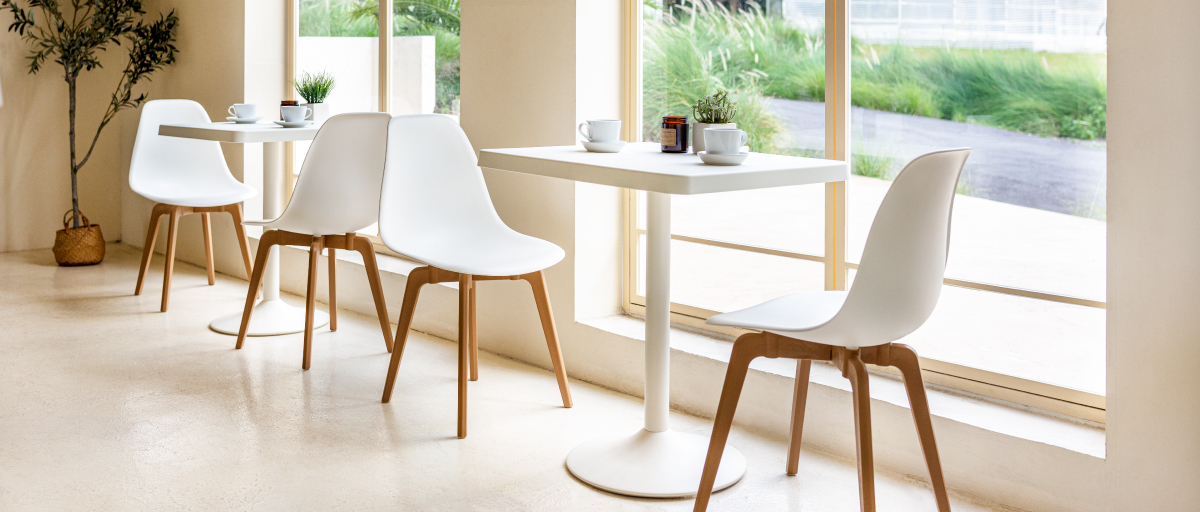
Every memorable dining experience begins long before the first bite. It starts the moment guests sit down, when the warmth of a fabric, the curve of a backrest, and the harmony of color quietly prepare the senses for what’s to come. Seating, often overlooked in design conversations, is where atmosphere meets emotion. It is where the visual, tactile, and physical blend into a single, lasting impression.
In restaurant design, the interplay between color, texture, and comfort defines how guests feel. In the modern world today, restaurant chairs are more than places to sit; they are emotional instruments. The right shade can lift energy or create calm, the right material can encourage touch or convey refinement, and the right level of comfort can turn a short meal into a lingering experience. Crafting that balance requires both artistic intuition and an understanding of human behavior.
Table of Contents
The Psychology of Color
Before a guest even speaks, color creates the mood. It affects how hungry you are, how you feel, and how fast you go. Warm colors like terracotta, mustard, and deep red make things more lively and encourage conversation and interaction. Soft gray, sage, or navy are cool colors that help you relax and focus. When you mix neutral colors with natural materials, you create a sense of tranquility that fits practically any style of interior.
Designers never pick a color on its own. It talks to the lighting, the wall finishes, and even the cuisine. The best settings employ color to complement rather than take over, and they guide attention rather than demand it. The outcome is a dining area that feels both natural and put together.
Texture as Emotion
The texture speaks straight to the senses. The smooth grain of polished wood, the rough weave of linen, or the soft, velvety feel of velvet all make you feel different things. Adding texture to a design makes it more interesting and turns a visual impression into a tactile memory. People may not recall the specific color of a chair, but they will remember how it felt when they sat on it.
A room can look more interesting and unique with a combination of textures. Combining matte surfaces with mild gloss or rough materials with smooth finishes adds movement and interest. This type helps to separate areas in a room. Welcoming comfort in some places and conversation in others. The way a space feels affects how guests think about quality and care.
The Comfort Equation
Comfort is the foundation of every great seating experience. It bridges the gap between visual appeal and functional design. The perfect chair should feel effortless, supportive enough for long meals yet elegant enough to complement the setting. Designers consider everything from seat height to back curvature, ensuring the chair encourages good posture without stiffness.
Comfort is also psychological. It is the feeling of being welcomed, of knowing a space was designed with intention. When guests sense that their comfort has been considered, they relax more fully, enjoy their meal more deeply, and often stay longer. This emotional ease builds loyalty as much as any signature dish or service detail.
Balancing Visual Harmony and Function
The best restaurant interiors are both beautiful and useful. A chair that looks great but is uncomfortable can ruin the experience, and a design that is too functional can make the ambiance less interesting. The skill is in combining the two worlds. Seating should belong to its environment yet retain its individuality.
Designers often get this balance by making sure that the chairs fit in with the rest of the room’s design. The shape of a chair might be similar to the shape of a bar, or the color of the upholstery might be similar to the color of the walls or floor. Every option makes you feel like you belong more. This connection makes comfort feel like it was meant to be there instead of just happening.
Material Honesty and Longevity
Materials tell stories of authenticity. Real wood, leather, linen, and metal carry a tactile honesty that connects people to craftsmanship. In hospitality design, longevity matters as much as aesthetics. Durable fabrics, reinforced frames, and sustainable finishes ensure that seating continues to look inviting after years of use.
Sustainability also plays a growing role in comfort. Recycled textiles, water-based stains, and responsibly sourced materials reflect a broader ethic of care. Guests increasingly value furniture that feels good both physically and morally. A chair built to last becomes part of a restaurant’s identity, aging gracefully alongside its stories.
The Role of Lighting and Space
Lighting may dramatically influence how we see color and texture. Cooler tones bring out structure and clarity, while warmer tones add depth and tenderness. A gently lit dining area may let rich materials shine and make the room feel more intimate. Bright open spaces, on the other hand, bring out texture and detail.
The way the seats are arranged also affects how comfortable they are. If they are too close, they feel crammed; if they are too far away, the talk dies down. The greatest arrangements strike a balance between privacy and connection, allowing people to move between tables without losing the intimacy of each one. All of the chairs are part of the dance.
Crafting Experience Through the Senses
When color, texture, and comfort align, design transcends aesthetics and becomes emotion. A guest does not simply see a chair; they experience it. They feel the texture, respond to the color, and internalize the sense of ease it provides. That emotional connection defines the dining experience.
Creating this harmony requires designers to think like storytellers. Each chair is a character, each texture a tone, each color a mood. Together, they compose an environment that feels alive, authentic, and human.
A Seat That Speaks
The perfect seating experience is not loud or showy. It whispers hospitality. It invites people to stay, to engage, to feel at home. When color delights the eye, texture comforts the touch, and design supports the body, a simple act of sitting becomes something meaningful.
In every well-designed restaurant, the chair does more than hold a guest. It holds the story of the space. The comfort it offers becomes memory, the color becomes atmosphere, and the texture becomes feeling. The result is a design that connects not through extravagance, but through care, warmth, and the simple pleasure of sitting well.