
Honestly, fire safety isn’t something most people wake up excited to think about. It sits in the background — like insurance paperwork or the spare tyre in your boot. You know it’s there, you hope you never need it, and if you’re being real, you probably haven’t looked at it closely in years.
That changed for me a while back when I was visiting a small industrial site on the outskirts of Melbourne. Nothing dramatic, no alarms blaring. Just a casual walk-through. And yet, tucked into a corner near a roller door was a fire hose reel that looked… tired. Sun-faded signage. A stiff hose that didn’t want to unroll. That moment stuck with me. Not because anything went wrong, but because it easily could have.
You might not know this, but when a fire starts, especially in commercial or shared spaces, the first 60 seconds can decide everything. That’s where a properly maintained fire hose reel steps in — quietly, reliably, without needing batteries or complicated instructions.
Let’s talk about why this humble piece of equipment deserves more attention than it gets.
Table of Contents
What a Fire Hose Reel Actually Does (And Why It’s Still Relevant)
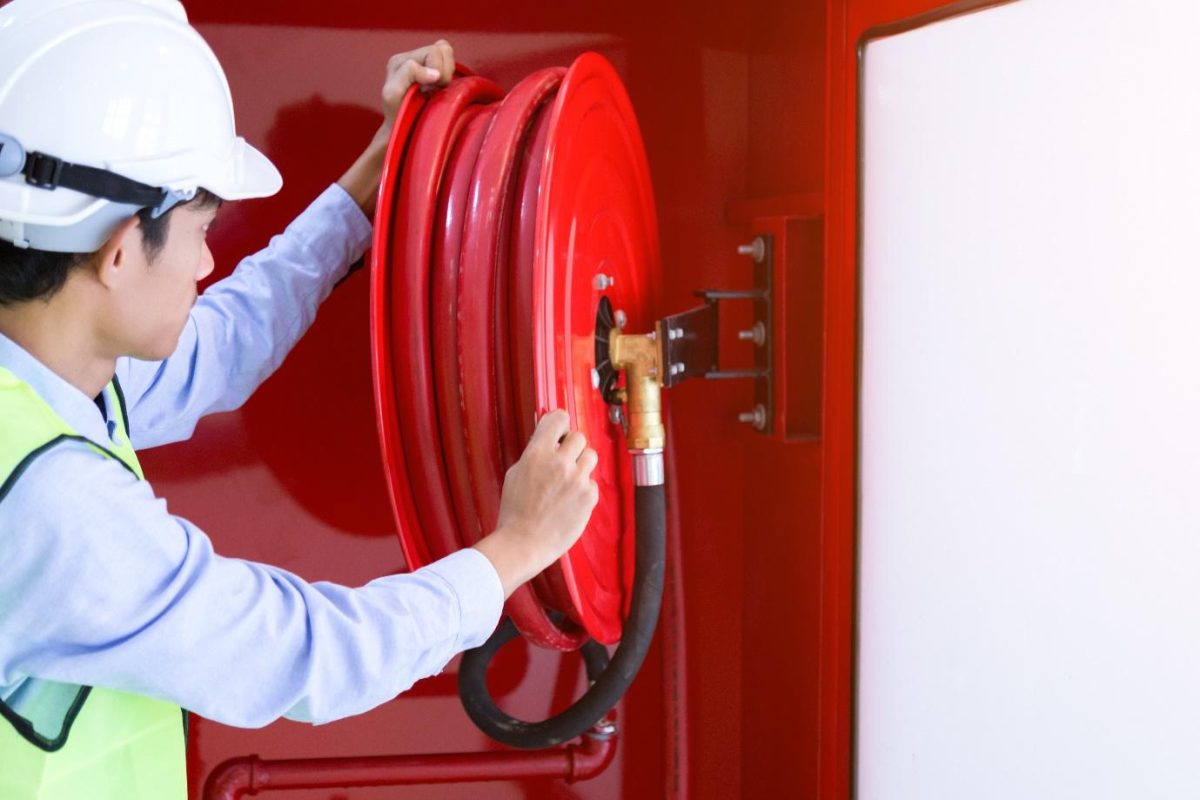
A fire hose reel isn’t flashy. It doesn’t beep, flash, or send notifications to your phone. It’s a long, fixed hose connected directly to a water supply, designed for fast response when a fire is still manageable.
In Australia, these reels are typically installed in commercial buildings, warehouses, schools, shopping centres, and apartment complexes. The idea is simple: give occupants immediate access to a continuous flow of water so they can slow or suppress a fire before it grows.
And here’s the thing — they’re not just there for firefighters. They’re for everyday people. Staff members. Maintenance teams. Even visitors, if the situation demands it.
When used early and correctly, a fire hose reel can prevent a small electrical fault or rubbish fire from turning into a full-scale emergency.
Why Australians Rely on Fire Hose Reels More Than They Realise
Australia’s building codes don’t mess around when it comes to fire safety, and for good reason. Our climate, building layouts, and industrial zones create unique risks. Bushfire-prone areas get most of the headlines, but urban and commercial fires are far more common than people think.
What surprised me when I started looking into this more deeply was how often fire hose reels are the first line of defence in incident reports. Not extinguishers. Not sprinklers. Hose reels.
Why? Because they’re always ready. No pressure gauges to read. No pins to pull. You turn the valve, aim the nozzle, and you’re in action.
That reliability is exactly why Australian standards continue to require them in many settings.
Installation Isn’t Just a Tick-Box Exercise
This is where things get interesting — and where a lot of buildings quietly fall short.
A fire hose reel isn’t effective just because it exists. Placement matters. Hose length matters. Water pressure matters. Accessibility really matters.
I’ve seen reels blocked by stacked boxes, hidden behind display stands, or installed so awkwardly that unrolling the hose feels like wrestling a stubborn snake. In an emergency, that kind of friction can cost precious seconds.
Professional installers consider:
- Clear access paths
- Reach coverage across floor areas
- Visibility and signage
- Compatibility with the building’s water supply
That’s why many safety managers choose to work with specialists who deal with fire protection systems every day. A well-installed Fire Hose Reel isn’t just compliant — it’s intuitive.
Maintenance: The Part Everyone Forgets (Until an Inspector Doesn’t)
I’ll be blunt here. Maintenance is the unglamorous part of fire safety. No one wants to budget for it. No one wants to schedule it. And yet, it’s the difference between equipment that works and equipment that just looks reassuring on the wall.
In Australia, routine inspections are required to ensure:
- The hose unrolls smoothly
- The nozzle delivers consistent pressure
- Valves operate without resistance
- No leaks, cracks, or corrosion are present
Skipping these checks doesn’t just risk non-compliance. It risks failure at the worst possible moment.
And inspectors? They notice. Insurance assessors definitely notice.
Real-World Scenarios Where Hose Reels Make Sense
Let’s be realistic. Fire hose reels aren’t for every type of fire. They’re not ideal for flammable liquids or live electrical hazards. But in many everyday scenarios, they shine.
Think:
- Rubbish or cardboard fires
- Small machinery overheating
- Timber storage areas
- Loading docks
- Office kitchens before flames spread
When used with basic training and common sense, they give people confidence to act instead of freeze.
Training Changes Everything
Here’s something that doesn’t get talked about enough: confidence.
I’ve spoken to staff members who admitted they’d never touched the hose reel in their building. Not once. They didn’t know how far it reached or how heavy it felt under pressure.
A short, practical demonstration changes that instantly.
Once people realise how straightforward it is, fear drops away. And when fear drops away, response time improves.
That’s why many Australian workplaces now include hose reel familiarisation in their fire safety training. It’s simple. It’s practical. And it sticks.
The Emotional Side of Fire Preparedness
This might sound strange, but fire safety is emotional. It’s about protecting people, livelihoods, memories, and sometimes entire communities.
I’ve walked through businesses months after a fire. The silence is heavy. The “what ifs” hang in the air. Almost always, someone says, “We thought we were covered.”
Often, they were — on paper. But systems weren’t maintained. Or staff weren’t trained. Or equipment was ignored because nothing bad had happened yet.
A fire hose reel is one of those things that quietly says, “We’re ready.” But only if it actually is.
Choosing the Right Support Makes a Difference
Whether you’re managing a building, running a business, or overseeing safety compliance, it helps to work with professionals who understand Australian standards and real-world risks.
The best providers don’t just install equipment and disappear. They help you think through usage, placement, inspections, and long-term reliability. They ask questions. They notice details. And honestly, that’s what you want when safety is on the line.
A Final Thought (One Worth Sitting With)
Fire safety isn’t about paranoia. It’s about respect — for people, for spaces, for the fact that accidents happen even when intentions are good.
The fire hose reel on your wall might never be used. And that’s a good thing. But if the day comes when someone reaches for it, you want it to work smoothly, instinctively, without hesitation.
Because in that moment, it’s not just a piece of equipment.
It’s time.
And time, in a fire, is everything.