
Table of Contents
What Makes a Happy Kid
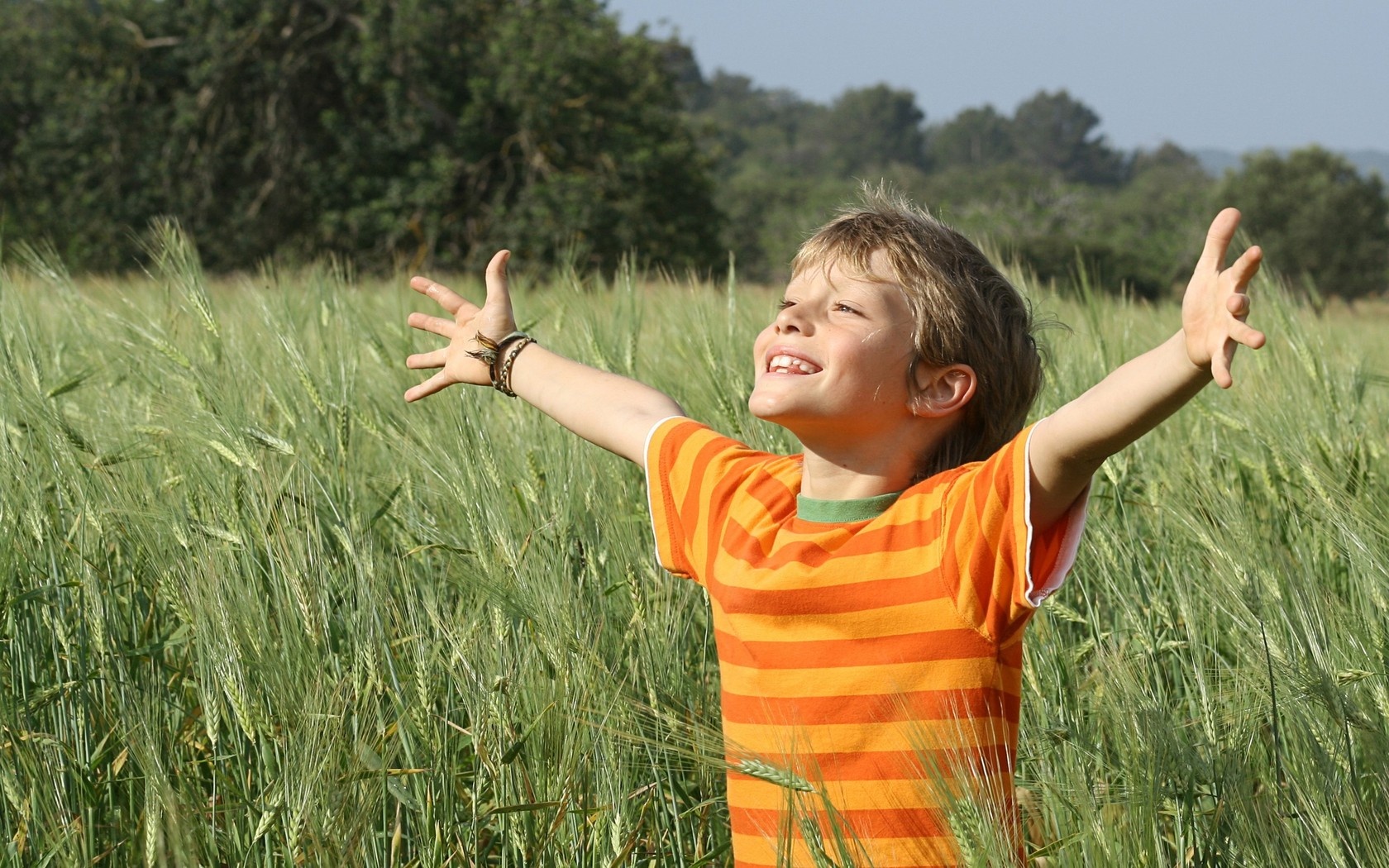
A happy kid is full of smiles, laughter, and bright eyes. Every child deserves to feel safe, loved, and joyful each day. A happy kid is not only cheerful but also curious about the world around them. They find excitement in small things like bubbles, colorful toys, or a sunny afternoon in the park. Happiness in kids is not just about toys or treats. It also comes from love, care, and kindness from parents, family, and friends.
Children need a sense of belonging. When they know they are valued, they bloom. A happy kid grows with strong confidence and learns to share joy with others. Small acts like hugs, stories before bedtime, and playing games together help children feel secure and joyful.
The Role of Family in Raising a Happy Kid
Family plays the biggest role in shaping a happy kid. A warm home where children can speak freely and feel heard is a place where happiness grows. When parents listen carefully, children feel important. When families spend time together—like having dinner, taking walks, or reading—children feel more connected.
Love and guidance from parents build trust. Rules are important, but love must always come first. For example, teaching good habits like brushing teeth or saying “thank you” can be done in fun and gentle ways. A happy kid responds well to encouragement rather than fear. Families that show kindness create children who believe in kindness too.
Play and Learning for a Happy Kid
Play is the language of children. Through play, they discover, imagine, and grow. A happy kid loves games, but games are not just for fun. They also teach skills like problem-solving, teamwork, and patience. For example, building blocks help kids understand shapes, while pretend play helps them learn about emotions and roles in life.
Outdoor play is just as important. Running, climbing, and exploring nature give kids energy and joy. A walk in the park, collecting leaves, or simply jumping in puddles can turn an ordinary day into a special memory. A happy kid enjoys these simple adventures more than expensive toys.
Learning should also be joyful. A happy kid learns better when lessons are playful. Teachers and parents can use songs, drawings, or stories to make learning fun. Children who learn with joy are more curious and eager to try new things.
Friends and Social Life of a Happy Kid
Friendship brings magic into childhood. A happy kid values friends because they share laughs, secrets, and games together. Friendships help children understand sharing, kindness, and respect. Playing in groups teaches patience and teamwork. Even simple acts like trading snacks or playing catch strengthen bonds.
Sometimes children may have disagreements. But learning to solve small problems with friends is part of growing up. Parents can guide children to use words instead of anger. When kids learn to forgive, they become stronger and happier. A happy kid surrounded by good friends feels supported and less lonely.
Healthy Habits That Build a Happy Kid
A healthy child is more likely to be a happy kid. Sleep, food, and exercise are the three building blocks of childhood happiness.
-
Sleep: Children need plenty of rest. A good night’s sleep helps them wake up cheerful and ready for the day.
-
Food: Nutritious meals with fruits, vegetables, and milk make children strong. Treats are fine, but too much sugar can cause restlessness. A happy kid eats a balanced diet.
-
Exercise: Movement is joy for kids. Running, jumping, dancing, or even helping in chores keeps children active and happy.
When these habits are part of daily life, children not only grow stronger but also more joyful. A tired or hungry child may feel cranky, but a rested and nourished child is almost always a happy kid.
The Importance of Creativity for a Happy Kid
Creativity allows children to express their inner world. Drawing with crayons, singing songs, or building with clay are ways a happy kid shows feelings. Creative play builds confidence because it lets children express themselves freely.
Parents can encourage creativity by giving children paper, colors, and safe spaces to explore. The result is not about how perfect the art looks, but about how much joy it brings. A happy kid does not worry about being perfect. They just enjoy the process.
Music, dance, and storytelling are also forms of creativity that bring laughter and learning. A happy kid who has space to create grows with imagination and problem-solving skills.
Kindness and Values in a Happy Kid
Teaching kindness is key to raising a happy kid. When children learn to share toys, help others, or say kind words, they feel proud of themselves. A happy kid understands the joy of giving, not just receiving.
Parents can model kindness by showing respect and care in daily life. Children copy what they see. If they see love and fairness, they will act the same way. A happy kid raised with good values becomes a caring adult who makes the world better.
The World Through the Eyes of a Happy Kid
For a happy kid, the world is a place full of wonder. They see beauty in things adults often overlook. A butterfly, a rainbow, or even a funny-shaped cloud can bring them delight. Their imagination turns a simple box into a rocket ship or a blanket into a magic castle.
Adults can learn from children by slowing down and noticing these small joys. Spending time with a happy kid reminds us to live in the moment and celebrate little things.