
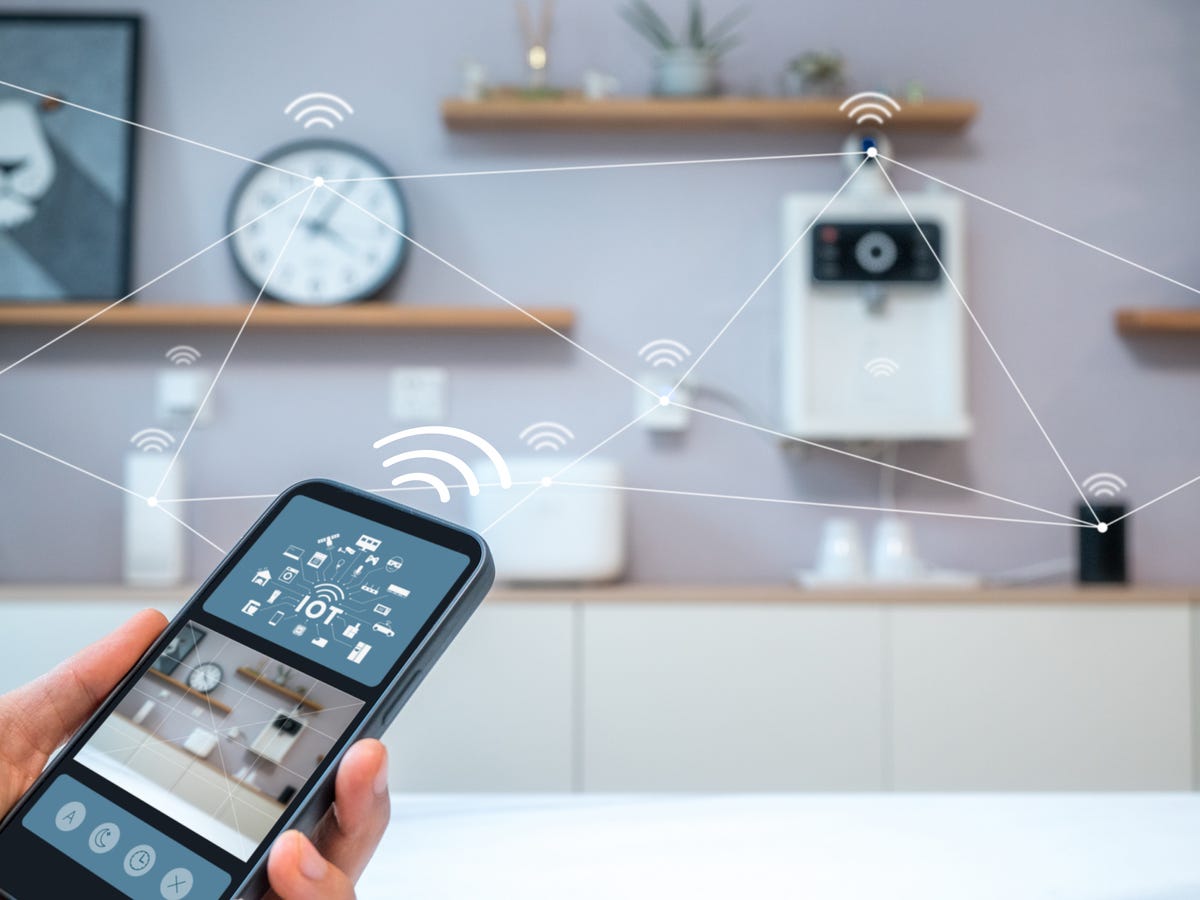
Smart home technology has transformed from science fiction to everyday reality. More homeowners are discovering that smart home solutions offer tangible benefits beyond the initial wow factor. These intelligent systems can genuinely save you precious time while reducing energy consumption—two resources we all want to preserve.
The promise isn’t just about having the latest gadgets. Smart home solutions create a more efficient living environment that adapts to your lifestyle and helps you focus on what matters most.
Table of Contents
Understanding Smart Home Solutions
Smart home solutions encompass a range of connected devices that automate and optimize various aspects of your living space. These systems include smart thermostats that learn your temperature preferences, intelligent lighting that adjusts throughout the day, and security systems that monitor your home remotely.
Popular devices from Google Nest and Amazon Echo serve as central hubs, allowing you to control multiple systems through voice commands or smartphone apps. These platforms integrate seamlessly with other smart devices, creating a cohesive ecosystem that responds to your needs.
The beauty of these systems lies in their ability to learn from your habits. Over time, they anticipate your preferences and make adjustments automatically, reducing the number of daily decisions you need to make.
Time-Saving Benefits
Smart home solutions excel at eliminating repetitive tasks that consume your day. Automated lighting systems turn lights on when you arrive home and off when you leave, removing the need to walk through each room flipping switches.
Voice-controlled assistants handle multiple requests simultaneously. You can ask your device to adjust the temperature, add items to your shopping list, and set reminders—all while preparing dinner or getting ready for work.
Smart scheduling takes convenience further. Your coffee maker can start brewing before your alarm rings, while your thermostat adjusts to your preferred wake-up temperature. These small automations add up to significant time savings over weeks and months.
Energy-Saving Benefits
Smart thermostats represent one of the most impactful energy-saving technologies available. Google Nest thermostats learn your schedule and automatically adjust temperatures when you’re away, preventing energy waste from heating or cooling empty spaces.
Intelligent lighting systems optimize energy usage by dimming lights based on natural light levels and turning off lights in unoccupied rooms. Real-time monitoring shows exactly how much energy each device consumes, helping you identify areas for improvement.
These systems make micro-adjustments throughout the day that humans typically overlook. The cumulative effect can reduce energy bills by 15-20% without sacrificing comfort.
Tips for Choosing the Right Smart Home Solutions
Start with devices that address your biggest pain points. If you constantly adjust your thermostat, begin with a smart temperature control system. For those who forget to turn off lights, smart lighting makes an excellent entry point.
Consider compatibility between devices to ensure smooth integration. Google Nest and Amazon Echo ecosystems work well together, but mixing too many different platforms can create complications.
Budget considerations matter, but remember that energy savings often offset initial costs over time. Begin with one or two key devices and expand gradually as you experience the benefits firsthand.
Security should remain a priority. Choose devices with strong encryption and regular software updates to protect your home network.
Conclusion
Smart home solutions offer genuine improvements to daily life through time savings and energy efficiency. These technologies adapt to your routines, eliminate repetitive tasks, and optimize resource consumption without requiring constant attention.
The key is starting with devices that solve specific problems in your home. As you experience the convenience and savings, expanding your smart home becomes a natural progression rather than an overwhelming project.