
Table of Contents
Salt Dough Recipe History
Salt dough recipe has been around for centuries, used as both a fun activity for children and a practical craft material for adults. Early uses of salt dough can be traced back to simple ornaments, homemade decorations, and school projects. Unlike clay, which required baking in high heat or firing in a kiln, the salt dough recipe allowed families to create shapes, letters, and small sculptures that could be air dried or oven baked at home. In many cultures, salt dough also carried symbolic meanings, often used in rituals, festivals, and seasonal crafts. The history of the salt dough recipe shows that it is more than just a kitchen activity—it is a tradition passed down through generations.
When is Salt Dough Recipe?
Salt dough recipe does not have a fixed date, but it is most commonly used during festive seasons. Families often turn to this activity around December, especially when preparing for Christmas. The idea of making salt dough ornaments on December 1st has become a tradition for many households. During springtime, around April 10th, salt dough recipe crafts also appear as Easter decorations. Many schools and craft clubs use salt dough recipe projects during art weeks, often aligning with dates like September 20th when children participate in craft fairs and educational activities. These dates show that while salt dough recipe can be made any time of year, it shines brightest during creative celebrations.
Importance of Salt Dough Recipe
The salt dough recipe is important because it encourages creativity while being inexpensive and safe for kids. Unlike store-bought clay or modeling kits, the ingredients for salt dough recipe are found in every kitchen: flour, salt, and water. Parents love this activity because it combines fun with learning, allowing children to work on motor skills, imagination, and patience. Teachers also find value in using the salt dough recipe in classrooms because it helps children learn shapes, letters, and even science concepts like evaporation and baking. For adults, salt dough recipe becomes a way to create personalized ornaments and keepsakes that hold sentimental value. Its importance lies not just in the craft, but in the memories it helps make.
How Salt Dough Recipe is Celebrated
Many families celebrate salt dough recipe by making it a group activity. During the holiday season, parents and children gather around the kitchen table, mixing flour, salt, and water to create a smooth dough. Shapes like stars, hearts, snowflakes, and animals are cut out using cookie cutters. Some people paint the dried creations, while others use markers or glitter. The joy of the salt dough recipe is that it brings people together, whether it is during a school project, a birthday party, or a holiday craft night. In some communities, salt dough recipe activities are part of larger celebrations, like Christmas fairs, where children display or sell their creations. It is less about the outcome and more about the shared experience of making something simple and lasting.
Interesting Facts about Salt Dough Recipe
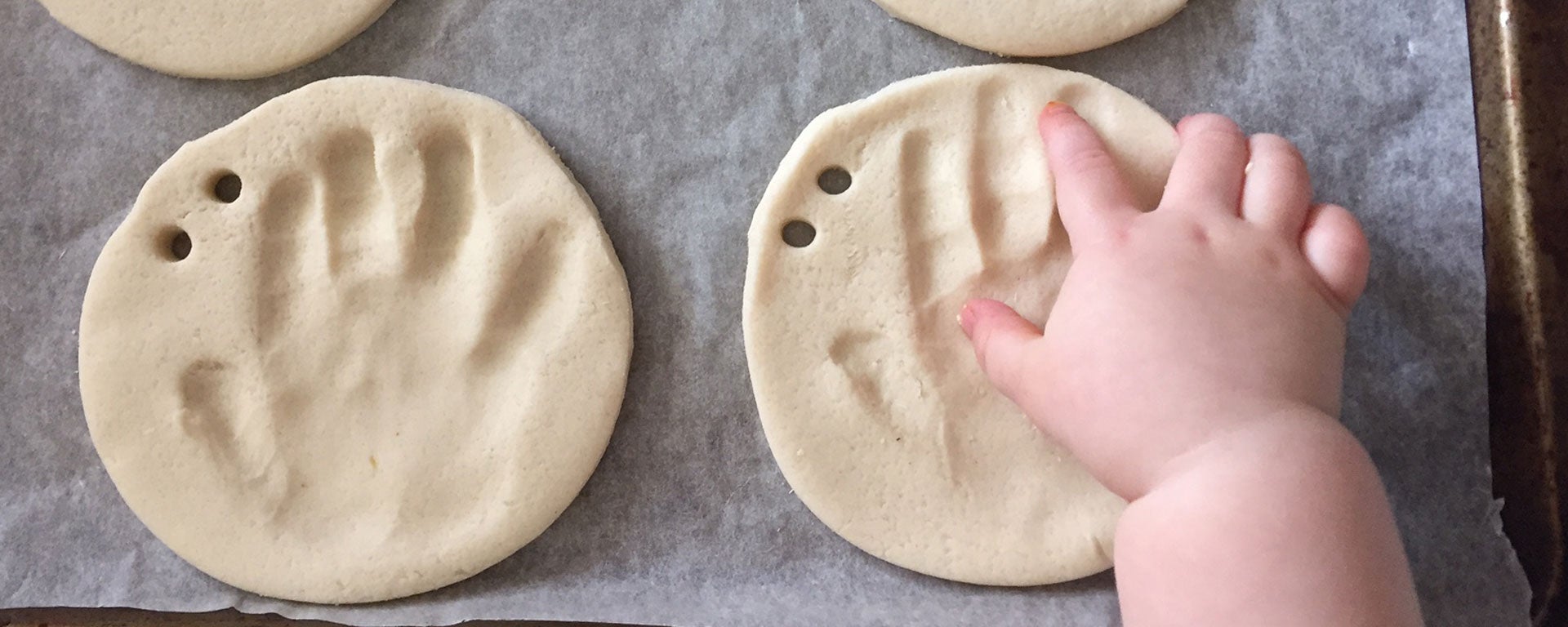
One interesting fact about the salt dough recipe is that it has an almost unlimited shelf life when dried and sealed properly. Another is that archaeologists have found evidence of salt dough-like crafts used in ancient households as teaching tools for children. Some people use the salt dough recipe to create lasting handprint ornaments of babies or pets, keeping them as memories for years. Unlike other crafts, the salt dough recipe is fully customizable, and no two creations are the same. Many people are surprised to learn that the salt dough recipe can be air-dried without an oven, making it accessible even in homes without kitchen appliances. This shows its versatility as both a simple craft and a cherished tradition.
FAQs on Salt Dough Recipe
What are the main ingredients in salt dough recipe?
The main ingredients are flour, salt, and water. Sometimes a little oil is added for smoother texture, but the classic salt dough recipe uses just three items found in any kitchen.
How long does it take to dry salt dough recipe creations?
Drying time depends on size and thickness. Thin shapes may dry overnight if left in the open, while thicker items can take several hours in an oven set at low heat.
Can salt dough recipe be painted?
Yes, once dry, salt dough recipe creations can be painted with acrylic paints, watercolors, or decorated with markers. Many people also seal them with clear varnish to last longer.
Is salt dough recipe safe for children?
Salt dough recipe is safe for children to handle, but it should not be eaten because of the high salt content. Adult supervision is recommended, especially with younger kids.
How long does salt dough recipe last?
If dried and sealed correctly, salt dough recipe creations can last for many years. Proper storage in a dry place helps preserve the crafts without crumbling.