
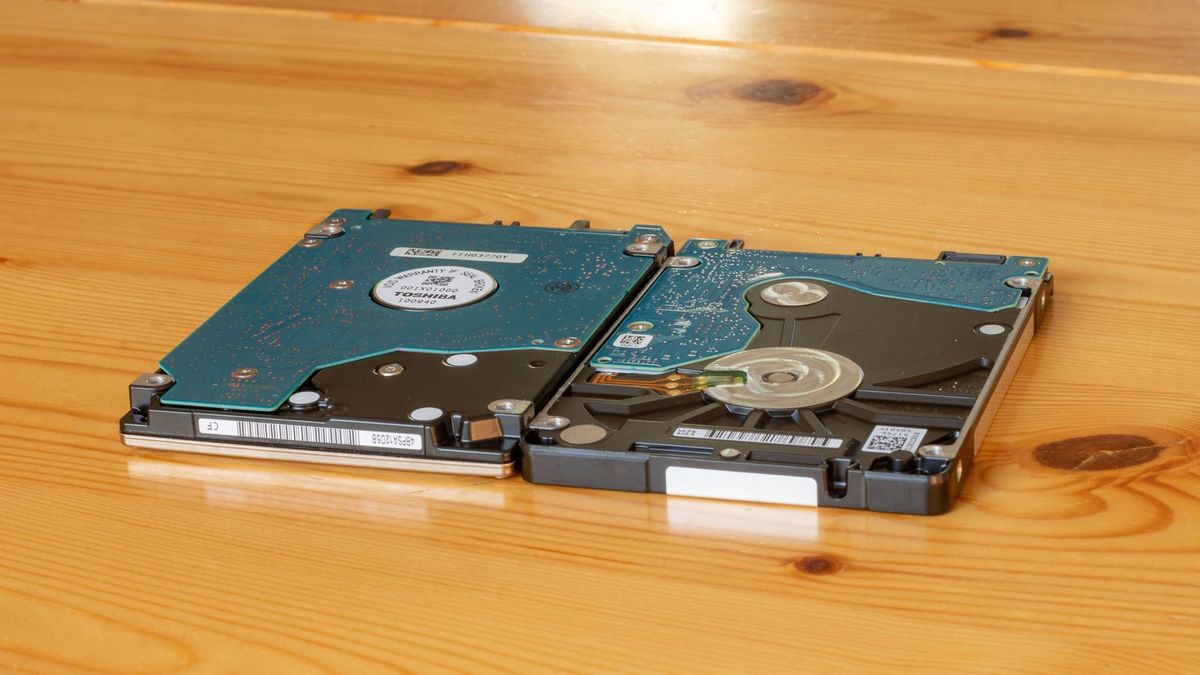
Honestly, the first time I came across st1000lx015-1u7172, I had to pause. It’s one of those product codes that looks cold and mechanical, the kind that doesn’t invite curiosity. But if you spend enough time around hardware—especially in small offices, repair shops, or even home setups that still rely on dependable storage—you start to realise these odd-looking strings usually have a story behind them.
And this one does.
I’m writing this not as a brand evangelist or a spec-sheet parrot, but as someone who’s spent years watching people wrestle with slow laptops, failing drives, and that awful moment when a system just… doesn’t boot. You know the one. The quiet panic. The coffee goes cold.
That’s where st1000lx015-1u7172 quietly earns its place.
Table of Contents
When storage isn’t exciting—but matters more than anything else
Most people don’t think about storage until it becomes a problem. Screens, keyboards, even RAM get all the attention. Storage just sits there, spinning away, doing its job—until it doesn’t.
What surprised me, honestly, is how often performance complaints trace back to the drive itself. Not malware. Not “too many tabs.” Just a storage solution that’s past its prime.
That’s why hybrid drives like st1000lx015-1u7172 still come up in conversations, especially here in Australia where plenty of systems are expected to last longer than their original design life. We’re practical like that.
This particular model strikes an interesting balance. It isn’t flashy. It doesn’t pretend to be something it’s not. It just quietly blends traditional hard drive capacity with a small solid-state cache to smooth out everyday use.
And for many users, that’s enough.
Living with a hybrid drive, day to day
I’ve seen st1000lx015-1u7172 used in laptops that bounce between home and work, in student machines that never seem to shut down properly, and in older systems that weren’t designed with full SSD upgrades in mind.
What stands out isn’t raw speed—it’s consistency.
Boot times improve after a few cycles. Frequently used apps stop feeling sluggish. File access becomes more predictable. It’s not magic, but it’s noticeable. And that’s often what people want: fewer interruptions, fewer spinning cursors, fewer sighs.
One technician I spoke to put it perfectly:
“Customers don’t ask for faster benchmarks. They ask for fewer complaints.”
That line stuck with me.
Why this model still gets mentioned
You might be wondering why a drive like st1000lx015-1u7172 still gets attention when SSD prices keep dropping. Fair question.
The answer usually comes down to compatibility and budget.
Not every system supports NVMe. Not every user wants to reinstall an OS. And not every upgrade needs to be cutting-edge to be effective. In many cases, swapping in a hybrid drive is the least disruptive way to breathe some life back into a machine.
Especially in environments where downtime costs more than hardware.
I’ve seen small businesses choose this route simply because it works with what they already have. No drama. No learning curve.
The human side of “technical decisions”
You might not know this, but a lot of hardware decisions are emotional—even if we pretend they’re not.
People get attached to their machines. There’s history there. Photos. Projects. Late nights. Replacing a drive feels safer than replacing a whole system, and models like st1000lx015-1u7172 sit right in that emotional middle ground.
They offer improvement without forcing change.
That’s powerful, in a quiet way.
Where this keyword naturally fits into real-world research
When readers dig deeper into st1000lx015-1u7172, they’re usually not browsing casually. They’re searching because they already have it, need to replace it, or are deciding whether it’s worth installing.
In those moments, practical guidance matters more than marketing language.
That’s why I often recommend reading real-world breakdowns and installation notes from specialists who deal with this hardware daily. One particularly useful reference explains how to correctly identify, source, and install st1000lx015-1u7172 without running into compatibility headaches—especially on older laptops where firmware quirks can catch you off guard.
It’s not an ad. It’s just helpful. And that’s the kind of resource people actually trust.
Installation isn’t scary—but patience helps
If you’re installing st1000lx015-1u7172 yourself, here’s the honest truth: it’s straightforward, but not instant gratification.
Hybrid drives learn your habits over time. The first boot won’t blow your socks off. Give it a few days. Let the cache do its thing. That’s when the improvements settle in.
I’ve seen users panic on day one, convinced nothing changed—only to message a week later saying, “Okay, I get it now.”
That delayed payoff is part of the deal.
Not perfect, but dependable
No piece of hardware is perfect. Hybrid drives still have moving parts. They still generate heat. They still wear over time.
But st1000lx015-1u7172 earns respect by being honest about what it is. It doesn’t promise miracles. It promises balance.
And in a world obsessed with extremes—fastest, newest, biggest—that balance feels refreshing.
A final thought, from one human to another
If you’re reading this because you’re researching st1000lx015-1u7172, chances are you’re trying to solve a problem, not chase specs. Maybe your laptop’s slowing down. Maybe a system failed unexpectedly. Maybe you’re just trying to make something last a little longer.
That’s relatable.
Technology doesn’t have to be exciting to be meaningful. Sometimes the best upgrades are the ones you stop noticing because things just work again.