
Key Takeaways
- Modern coastal homes are integrating sustainable materials and energy-efficient technologies.
- Design trends emphasize open-concept spaces and natural elements to harmonize with the coastal environment.
- Smart home technologies are enhancing convenience and resilience in seaside residences.
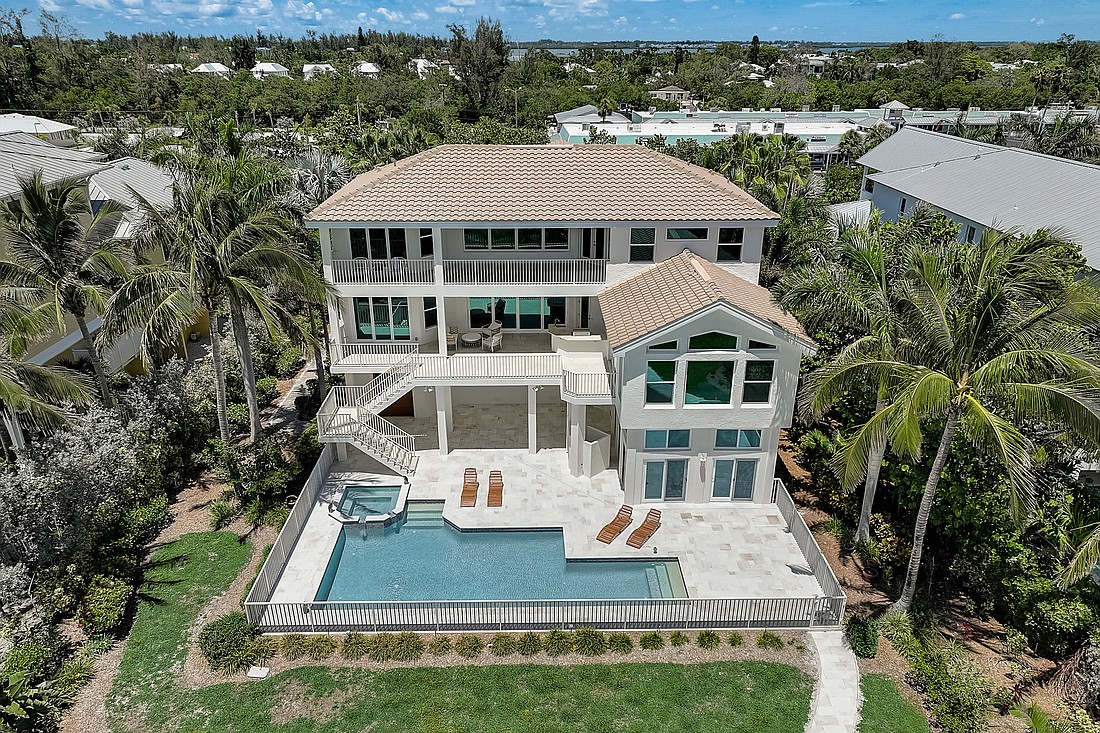
Coastal living enchants many with its vistas, soothing rhythms, and refreshing sea breezes. Today, modern seaside homes go beyond basic aesthetics, weaving sustainability and innovation into every detail. These homes are at the forefront of environmental stewardship, striking a balance between comfort and natural integration for a better future. For those dreaming of oceanfront tranquility, discover inspiration from Longboat Key homes for sale and see firsthand how these trends are coming to life on the Gulf Coast.
The shift toward sustainability is reshaping the appeal of coastal properties, with homeowners and designers prioritizing solutions that respect the coastal environment while minimizing ecological impact. Innovative building techniques and open interiors enhance living quality and eco-responsibility. As buyers become increasingly environmentally conscious, the trend toward green building promotes homes that strike a balance between beauty and preservation, ensuring they remain desirable for future generations. This evolution in coastal home design is crucial, as climate challenges such as rising sea levels necessitate adaptive and resilient architectural approaches.
Table of Contents
Sustainable Building Materials
Durable, eco-friendly materials are the backbone of the new generation of seafront properties. Builders are increasingly using products like reclaimed wood, recycled steel, and bamboo, which are engineered to perform well under harsh weather conditions while minimizing carbon emissions. These materials naturally withstand humidity and salt air, crucial factors for longevity along the coast. Fiber cement siding is gaining traction for its ability to repel mold, resist decay, and better withstand heavy winds and salt spray—a practical response to the challenges of coastal climates. Incorporating modern solar-reflective roofing further boosts energy efficiency, reducing cooling costs and environmental impact.
Forward-thinking communities champion these innovations, setting higher standards in both architecture and stewardship. Choosing earth-friendly construction is no longer a niche concept; it’s an expectation for both new-build and renovated homes, aligning with broader societal goals for conservation and resilience.
Open-Concept Living Spaces
One distinguishing hallmark of seaside homes is the seamless flow between rooms and the outdoors. Open floor plans with high ceilings, expansive windows, and minimal barriers between spaces allow ocean breezes to circulate and natural light to flood interiors. Removing rigid walls in favor of flexible layouts provides families with greater adaptability and an unbeatable sense of openness.
This architectural style isn’t just about maximizing space—it’s a celebration of the coastal lifestyle itself, encouraging daily interaction with nature. Residents gain sweeping views and a tangible sense of connection to their surroundings, fostering a setting that soothes the mind and energizes the spirit.
Natural and Organic Design Elements
Today’s coastal homes celebrate organic textures and materials, blending the boundary between indoor and outdoor environments. Linen and cotton textiles, rattan and cane furniture, and sustainably sourced wood create warmth and visual comfort. Stone and concrete countertops, exposed rafters, and lush indoor plants tie interiors to their natural settings. Sliding glass doors and oversized windows allow uninterrupted views of dunes and sea, while handcrafted décor pieces add authentic charm and character.
Emphasizing this fusion is not merely aesthetic; it supports well-being by evoking a sense of calm, grounding occupants in the beauty and rhythm of the natural world. According to Architectural Digest, these trends are expected to remain prominent as homeowners increasingly prioritize serenity and sustainability.
Smart Home Integration
Advanced home automation is revolutionizing the way people live by the sea. Automated climate controls, voice-activated lighting and appliances, and thoughtful security solutions make daily life simpler and safer. Smart systems enable homeowners to adjust settings remotely, making them ideal for part-time residents and vacation rentals.
By optimizing heating, cooling, and routine tasks, these technologies reduce waste and enhance comfort—essential in environments where energy usage often peaks. From leak detectors to programmable shades, every feature is designed to maximize efficiency without sacrificing the leisurely pace of coastal living.
Climate-Resilient Architecture
Adaptability has become the cornerstone of coastal property design. Elevated foundations, breakaway ground floors, hurricane-rated windows, and flood barriers are essential defenses against rising tides and unpredictable storms. Some areas are experimenting with floating homes or amphibious foundations as water levels encroach further inland.
Homes in vulnerable regions often incorporate landscaping strategies, such as rain gardens and permeable driveways, to help direct and absorb runoff. Adopting these innovations is critical to future-proofing communities and maintaining the livable, inviting qualities that define seaside life.
Wellness-Inspired Spaces
The calming influence of the coast is central to wellness-driven design. Dedicated yoga studios, home gyms facing the sea, spa-style bathrooms, and private outdoor wellness nooks are topping wish lists. Homeowners are installing saunas, tranquility pools, and meditation gardens for moments of daily retreat. Spaces are carefully curated to invite relaxation, mindfulness, and healthful living, both indoors and out.
Outdoor showers, lush wellness gardens, and infinity-edge pools that blur into the seascape encourage homeowners to unplug and spend more time in nature. Enhancing indoor air quality with extensive greenery and ensuring plenty of natural sunlight further deepens this holistic approach.
Multi-Functional Outdoor Areas
New coastal homes feature creative, flexible outdoor living spaces. Decks double as entertainment and dining spaces, protected by retractable awnings or pergolas. Outdoor kitchens, weatherproof seating, and fire features extend the usability of these spaces throughout the year. Native plants, gravel paths, and stone patios require little maintenance and conserve precious water, all while blending seamlessly into the local ecosystem.
By designing for versatility and sustainability outdoors, families can gather, relax, or even work al fresco, making the most of the unique setting that only coastal living can provide.
Conclusion
As trends in modern coastal living continue to evolve, homeowners are finding new ways to unite sustainability, technology, and serene design for the ultimate seaside retreat. Embracing these thoughtful innovations ensures homes not only endure the elements but also remain beautiful, resilient havens for future generations to cherish.