
Table of Contents
The Meaning of Happy Kids in Everyday Life
The phrase happy kids often brings to mind images of laughter, energy, and simple joys. A child’s happiness is not only about toys or treats but about feeling safe, loved, and encouraged. Their smiles can light up a room and remind adults of the beauty in small things. When children are happy, their world feels brighter, and the people around them share in that light.
Happiness during childhood is more than just playtime. It is the foundation of self-confidence, curiosity, and creativity. When children grow in a positive environment, their emotional strength expands alongside their imagination. The sight of happy kids running in a park or telling stories with wide-eyed excitement is proof that joy fuels learning and discovery.
The Role of Family in Raising Happy Kids
Family is the first place where children experience love, support, and comfort. Parents, siblings, and caregivers create the emotional atmosphere that shapes a child’s sense of happiness. Small gestures like listening to their stories, showing interest in their school projects, or sharing meals together have a powerful impact.
For happy kids, family time is more valuable than material gifts. A walk after dinner, bedtime stories, or laughing together during games builds trust and joy. These bonds become memories that children carry into adulthood, helping them face challenges with resilience.
A child who feels secure within the family circle is more likely to explore the world with confidence. Love at home becomes the soil from which joy naturally grows.
The Influence of Play on Happy Kids
Play is one of the most important ingredients in childhood happiness. Whether it is building castles from blocks, chasing friends in a playground, or drawing with crayons, play allows children to express themselves freely. Through play, happy kids learn teamwork, problem-solving, and patience without even realizing it.
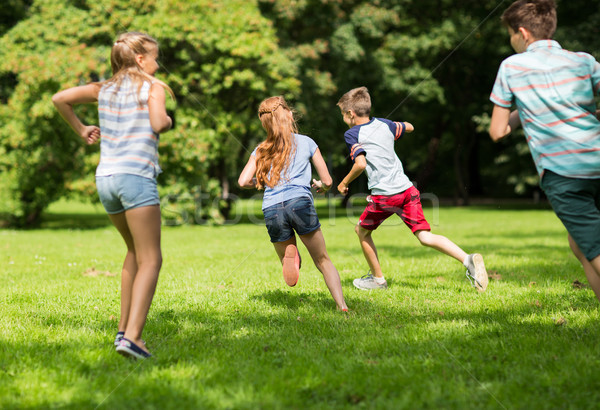
Outdoor play especially boosts happiness. Sunshine, movement, and fresh air stimulate both physical health and mood. Running, climbing, and exploring make children feel alive and adventurous. Indoor play, on the other hand, sparks creativity through imagination-driven activities like role-playing or crafting.
Children are happiest when play is balanced—structured enough to provide guidance but open enough to let their creativity flourish. The joy of discovery through play becomes a memory that lingers long after childhood ends.
Education’s Connection to Happy Kids
Education plays a quiet but powerful role in shaping happy kids. A nurturing school environment where children are encouraged to ask questions and express their ideas builds confidence. Teachers who create welcoming classrooms help children feel valued and respected.
When children enjoy learning, happiness follows naturally. It is not only about grades but about the excitement of finding answers, solving puzzles, and sharing discoveries with friends. Happy kids see school not as a burden but as a place of adventure where every subject opens a new door.
Beyond textbooks, schools that encourage music, art, and sports give children opportunities to shine in different ways. These creative outlets not only build skills but also keep spirits high.
The Power of Friendship for Happy Kids
Friendship is a treasure for children. The simple act of having someone to share secrets, laugh at silly jokes, or play games with is central to the joy of growing up. Happy kids often have strong friendships that give them a sense of belonging.
Friends help children learn kindness, cooperation, and empathy. Arguments may happen, but resolving them teaches resilience. A child who has friends learns how to support others and how to accept support in return. These early lessons in relationships carry into adult life, forming the foundation of strong social bonds.
The laughter of children playing together is one of the purest forms of happiness. It is in those moments that the world feels uncomplicated and filled with joy.
Nutrition and Health for Happy Kids
Good health is essential for a happy childhood. Nutritious meals, regular sleep, and exercise create the foundation for both physical and emotional well-being. A child with energy and vitality is better able to focus on school, play, and friendships.
Simple habits such as eating balanced meals, limiting processed snacks, and encouraging water instead of sugary drinks have a noticeable effect on mood. Sleep is equally important. Children who rest well are more likely to wake up cheerful, attentive, and ready to engage with the day.
When health is cared for, the natural state of children is joy. Healthy routines become invisible tools that support happy kids as they grow.
Creativity as a Path to Happy Kids
Creativity gives children the chance to explore who they are. Whether painting, dancing, building, or writing, creative expression brings joy that cannot be measured. Happy kids are often those encouraged to dream, invent, and play with ideas.
Parents and teachers who provide space for creativity send a message: your ideas matter. This sense of validation boosts self-esteem. Even small activities, like singing songs at home or helping in the kitchen, can spark happiness by allowing children to take part in something meaningful.
Imagination allows children to see worlds beyond their own. This curiosity becomes fuel for lifelong learning and optimism.
Nature’s Impact on Happy Kids
Children naturally thrive in nature. A park, a beach, or even a garden can become a source of endless joy. The colors, textures, and sounds of the natural world stimulate the senses in a way no digital screen can.
Happy kids often find delight in simple outdoor experiences—chasing butterflies, climbing trees, or listening to birds. These experiences calm the mind and energize the body. Nature also teaches respect for life, patience, and awareness of the world around them.
In a time when technology takes up much of children’s attention, returning to nature becomes an important way to keep joy alive.
Community’s Role in Creating Happy Kids
A supportive community extends the happiness children find at home. Safe neighborhoods, accessible playgrounds, and local events create spaces where kids can thrive. Interaction with different people—neighbors, teachers, mentors—broadens their sense of belonging.
When children see kindness modeled in the community, they absorb it. Volunteering, cultural celebrations, and sports leagues show them that happiness grows when shared. Communities that care about their youngest members create an environment where happy kids naturally flourish.