
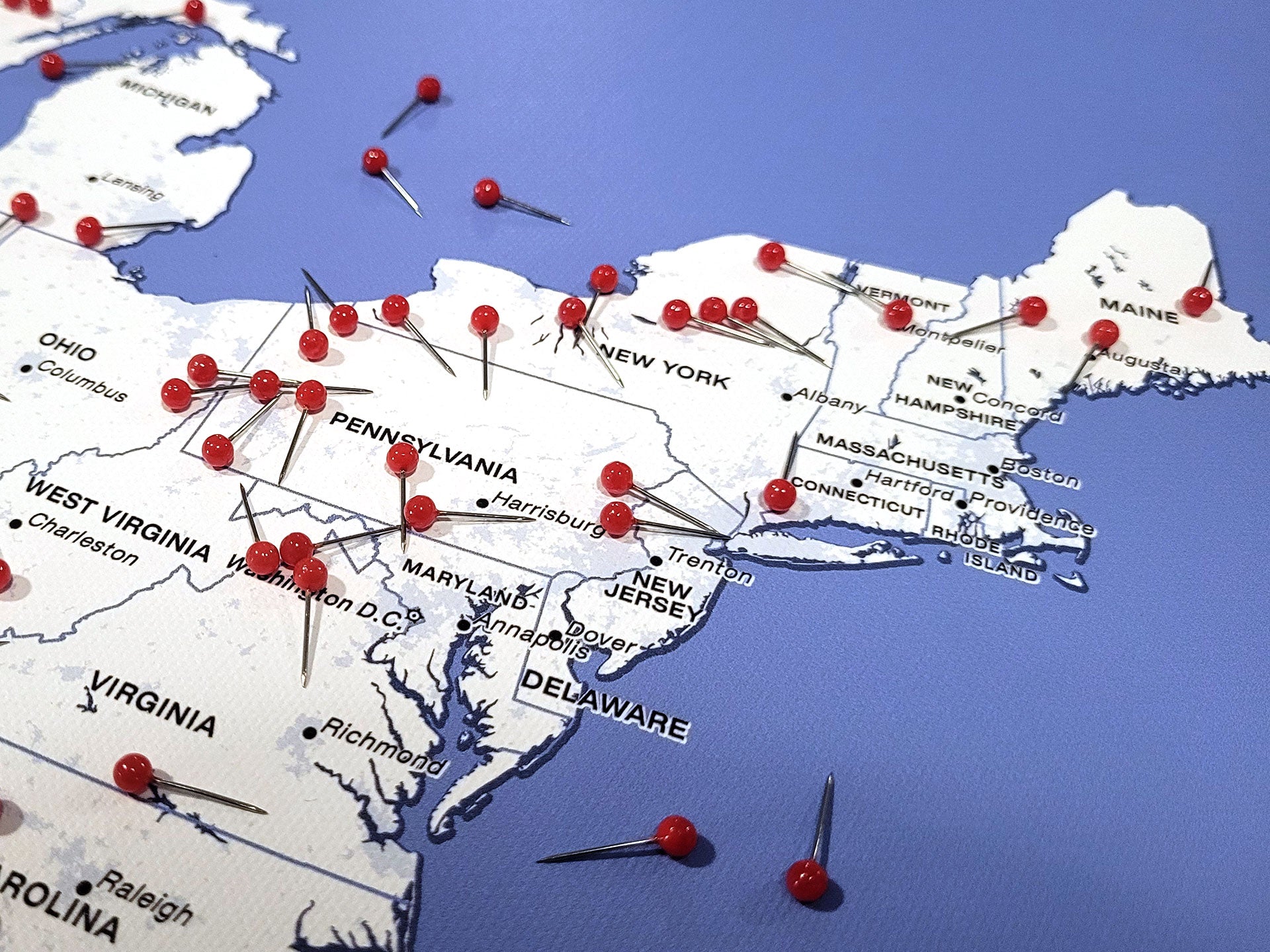
You might not realise it, but the northeastern region of the United States carries a curious mix of history, culture, and geography that’s utterly fascinating. Honestly, I was surprised to learn just how much each state has its own unique vibe, and the capitals often tell stories that the big cities nearby don’t. If you’re someone who loves to explore or just nerd out on geography, knowing the northeast states and capitals can be both practical and oddly satisfying.
Let’s take a little mental road trip through the Northeast, shall we?
Table of Contents
Maine – Augusta
Starting from the top, Maine is probably best known for its rugged coastline, lobster, and picturesque lighthouses. But did you know its capital, Augusta, often flies under the radar? I’ll admit, I hadn’t really considered visiting Augusta until a friend mentioned its charming riverfront and historic districts. While it’s small compared to Portland, the city holds that quintessential New England feel—quaint streets, local cafés, and a strong sense of community.
New Hampshire – Concord
Moving a bit south, you hit New Hampshire, with Concord as its capital. Concord is the kind of place that feels instantly approachable, where history isn’t hidden behind flashy tourist traps. I was particularly intrigued by the State House—its golden dome gleams in the sunlight, and the surrounding streets have that calm, lived-in energy that makes wandering around a pleasure. New Hampshire itself is all about the outdoors—hiking, skiing, and foliage so vivid it almost looks unreal in autumn.
Vermont – Montpelier
Now, Montpelier might be small, but don’t underestimate it. In fact, it’s the smallest state capital in the U.S. by population, and that gives it an intimate, community-driven feel. Strolling down the streets lined with historic brick buildings, it’s easy to imagine life here a century ago. Vermont’s charm isn’t just in Montpelier, though—the rolling green hills, artisanal cheeses, and local craft markets make the state a gem for anyone who loves the slower, mindful side of life.
Massachusetts – Boston
Boston is probably the state capital most people immediately recognise. And honestly, it’s hard not to—it’s a city brimming with history, culture, and energy. Walking the Freedom Trail or getting lost in the winding streets of Beacon Hill, you realise Boston isn’t just about the past—it’s alive with innovation, sports fanaticism, and a deep sense of identity. Knowing it’s the capital adds another layer of respect, because the city truly balances governance, education, and culture effortlessly.
Rhode Island – Providence
Rhode Island may be tiny, but Providence packs a punch in creativity and charm. I was pleasantly surprised by the art scene there, especially WaterFire, where bonfires float on the rivers during special evenings. Providence feels like a city that quietly boasts its achievements without being overbearing. For a capital, it’s a nice mix of historic buildings, trendy eateries, and vibrant student life thanks to institutions like Brown University.
Connecticut – Hartford
Hartford might surprise you. It’s often overshadowed by New York and Boston, but spending time there reveals a rich history, particularly in insurance and literature. I found it fascinating that the Mark Twain House is right there in the capital—something that adds a literary charm to the city that you wouldn’t expect. Hartford is a reminder that capitals don’t need to be massive metropolises to hold cultural and historical significance.
New York – Albany
Everyone knows New York City, but the capital is Albany, tucked comfortably along the Hudson River. Albany carries a stately, governmental gravitas while maintaining a welcoming, walkable downtown. The New York State Capitol building is stunning, and wandering the streets, you get a feel for the state’s history—from Dutch settlements to the rise of modern infrastructure. It’s a quieter counterpoint to the bustle of NYC, and honestly, it’s a city that grows on you once you spend some time there.
New Jersey – Trenton
Trenton is one of those capitals that many people overlook, but there’s something quietly compelling about it. It’s steeped in Revolutionary War history, and the State House is a reminder of the city’s pivotal role in America’s early years. Sure, it might not have the glitz of nearby New York or Philadelphia, but Trenton has character. You can feel the layers of history in the architecture, the streets, and the local museums.
Pennsylvania – Harrisburg
Harrisburg is another city that balances history and modern life remarkably well. The Pennsylvania State Capitol is breathtaking—seriously, the architecture alone is worth a visit. Beyond that, Harrisburg’s proximity to the Susquehanna River gives it a relaxed, scenic vibe. I love how the city mixes government, industry, and small-town charm without ever feeling cramped. It’s a reminder that capitals don’t need to be enormous to be important.
Reflecting on the Northeast Capitals
Honestly, thinking about all these capitals together makes me appreciate how diverse the Northeast really is. Each state has a unique rhythm, culture, and sense of identity, and the capitals reflect that in their own ways. Some are bustling and historic, some quiet and intimate, but all carry stories worth exploring.
If you ever find yourself travelling through the region, I’d honestly suggest giving these capitals a chance. Sure, they might not always be on the typical tourist map, but there’s something deeply rewarding about discovering the heartbeat of a state beyond the obvious hotspots. And if you’re studying geography—or just love trivia—knowing the northeast states and capitals is a fun way to feel connected to the history and culture of the U.S.
For a handy reference, I came across a well-organised resource on northeast states and capitals that makes it easy to visualise them all in one go. Honestly, it’s like having a mini road map in your pocket before you even leave home.
At the end of the day, capitals are more than just administrative hubs—they’re living snapshots of the states they represent. And exploring them, even in small ways, gives you a sense of place that’s far richer than what you might get from the main tourist attractions.